Secure Attachment: Part 1
The Vow I Made Before I Knew Better
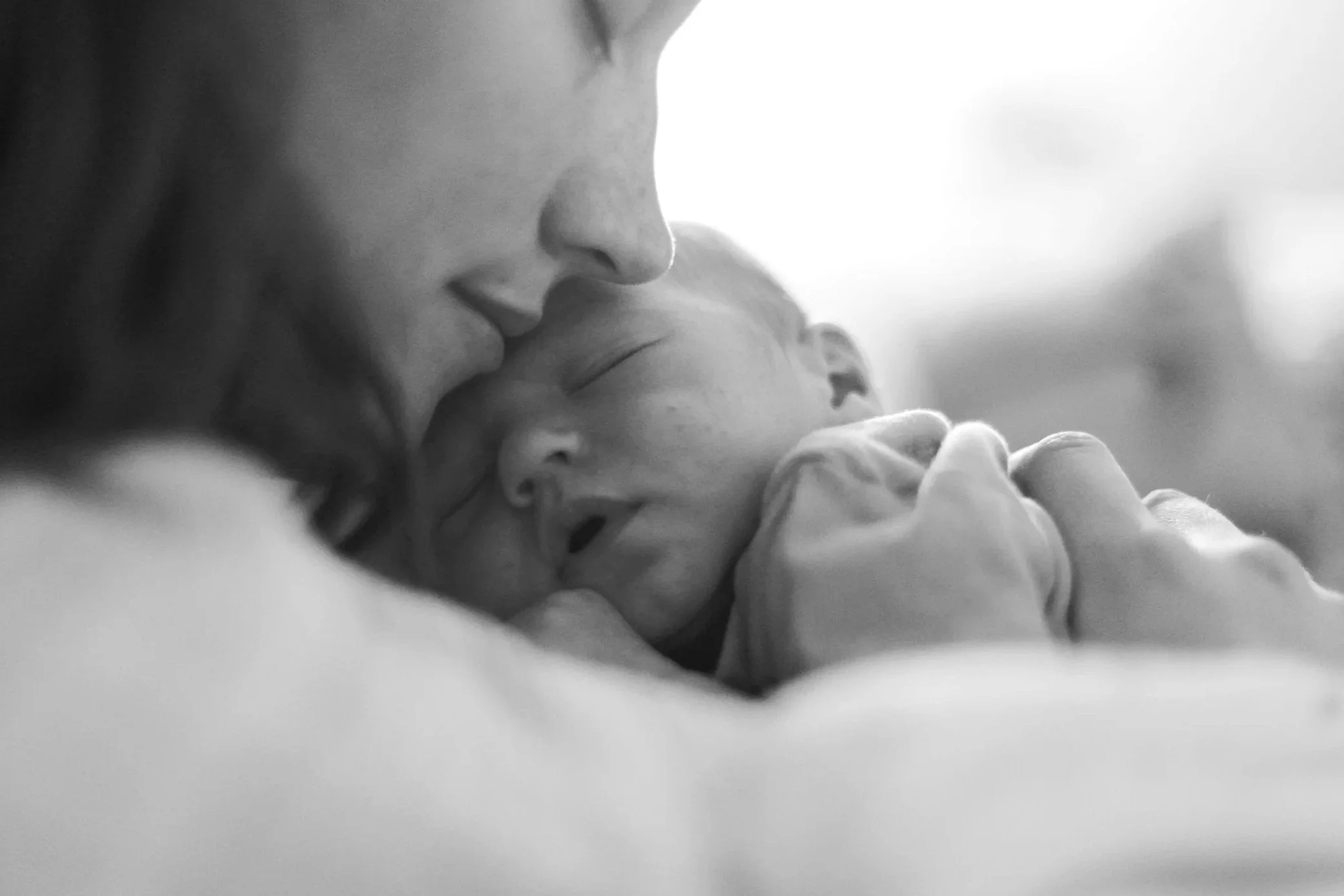
I was pregnant with my first child when I first learned about Attachment theory.
I was a wide-eyed eager counselor in training wanting to do everything "right." I made vows to myself about what I would and would not do thinking those vows would be the key to raising the most secure child.
However, what I was not prepared for was the unknown, uncontrollable, lived experience of it all. Through both guided and misguided information, I formed this idea that I "should" be able to meet most if not all of my child's needs. That I needed to be the magic balm to soothe every discomfort and cry, otherwise my son would grow up insecure and it would be all my fault.
Woof. Can you hear the pressure in that?!
Spoiler alert: that is NOT what a secure attachment requires.
My son was not great at sleeping, which did not gel well with my die on the hill stance to never do sleep training. I could not fathom (at that time) allowing my son to cry to sleep.*
Fast forward to having an 8 month old and not having had a single full night's sleep. I had bags under my eyes at all times, I could hardly function, and had little to no life inside of me. I was surviving life, not living life.
You know what I wish someone would have told me?
I wish someone would have told me I was actually operating out of an anxious attachment vs. a secure attachment.
Luckily, 13 years later, I have a far different, more accurate, understanding of attachment theory and what secure even means.
Clinical theories can at times feel difficult to understand without real life examples attached to them. It made sense that I wanted to do things perfectly with my first child. I think that's a pretty natural response to doing something for the first time. Yet, the key wasn't to be the magical solution to all of my son's problems — the heart of helping my son create a secure attachment would have been to tolerate his distress with and for him, which lays the foundation of providing him a regulated nervous system. My son's distress wasn't the issue. It was my distress about his distress, which caused me to be dysregulated more often than I wanted to be. And when we're dysregulated, we cannot help another feel regulated. In order for this to happen, I would have needed to be in a regulated place myself.
I had confused my anxiety with diligence, selflessness, and being a "good mom."
It turns out having a secure attachment does not require caregivers who respond 100% of the time and have worn themselves ragged doing so.
What a secure attachment actually requires is... well, that's exactly what this series is for. Over the next few posts, I want to walk through what secure attachment really looks like, which is more nuanced, less concrete, and less perfect than the vow I made to myself all those years ago.
Side note: I did, in fact, do sleep training, and it revived me back to life. This isn't an endorsement of sleep training over any other approach — the point is that I was dying on the hill of a principle I thought was "right," instead of looking at the needs of my actual family and making an attuned choice I never could have imagined making.
