Couple’s Therapy
in Overland Park, KS
For those wanting more than just communication skills

At First. . .
Everything started out great. . .
There was a time when it felt easy — when you reached for each other naturally, when the silences between you were soft instead of sharp. You built something together.
A life. A rhythm. Maybe even a family.
And somewhere along the way, that changed.
You're not sure exactly when it shifted. There wasn't just one moment or rupture, rather it’s been more of a slow drift — two people moving through the same house, the same days, becoming more and more like strangers to one another. Or perhaps there was a fracture that neither of you quite knows how to cross. Either way, you're here now, holding the distance between you, wondering if it can close.
What I know — from years of sitting with people in the tender, painful interior of relationships — is that disconnection is not a verdict—it's a signal. Something asking to be understood.
Couples don't come to therapy because they've given up. They come because something in them still believes in what they built, and they want to find their way back to it — or sometimes, to something even more honest and sustaining than what they had before.

I can’t live with or without you -Bono
What most poeple don’t realize is. . .
The patterns between you & your partner began long before you met.
They began long before — in the earliest rooms of your life, in the ways you learned to attach, to need, to protect yourself from disappointment. The pursuer and the withdrawer. The one who floods and the one who goes quiet. These aren't character flaws. They're adaptations — old, intelligent strategies that once kept you safe, and now keep you separate.
When two people come together, they don't just bring themselves. They bring every attachment they've ever made — every wound that was tended, and every one that wasn't. Intimacy has a way of reaching into those old places. The longing you feel for your partner is real. But sometimes underneath it is an even older longing — to finally be seen, held, understood in the way you needed to be as a child.
This is not a reason to despair. It's actually the doorway.
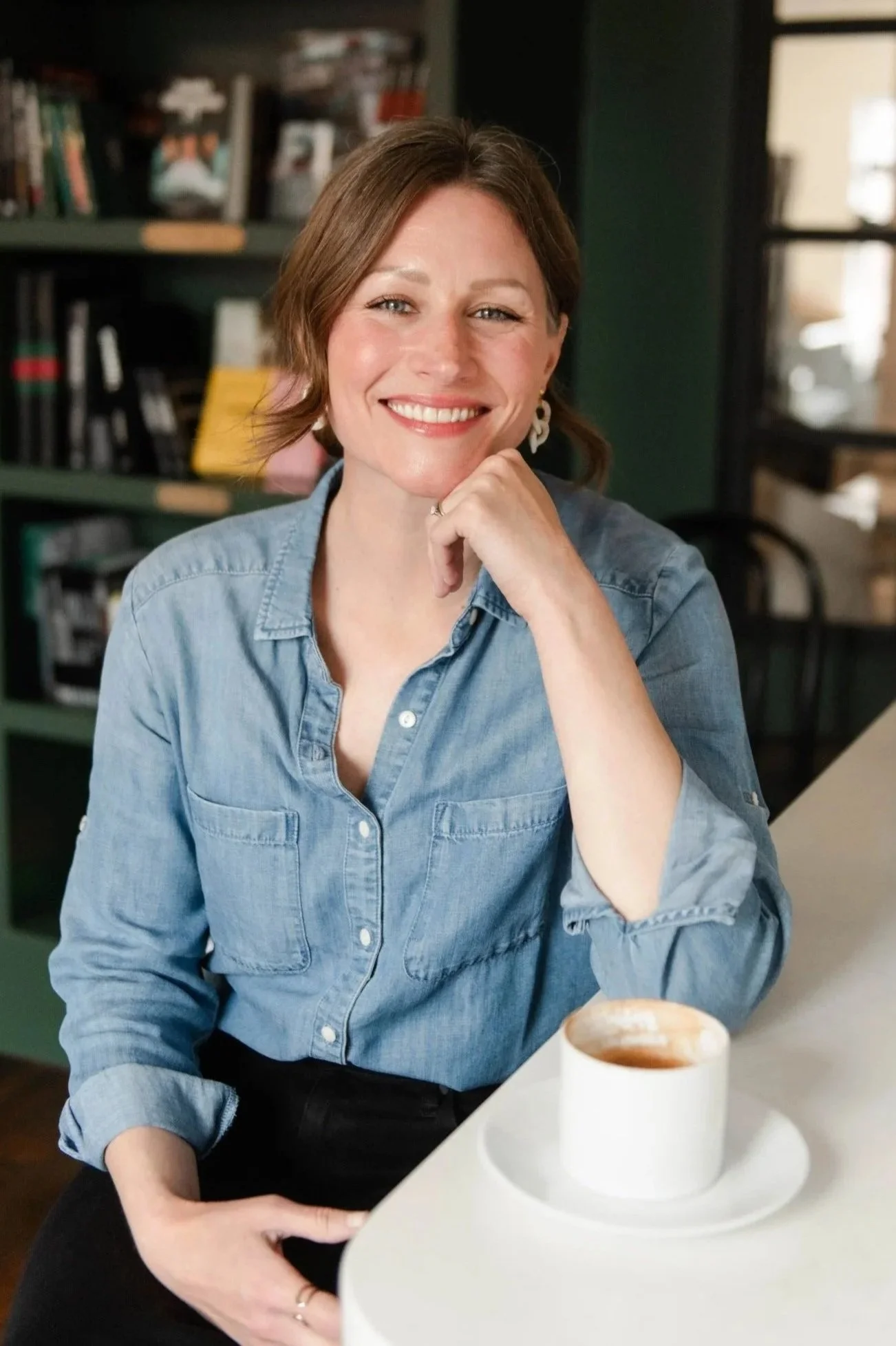
Hey, I’m Jewel!

It’s never just about the dishes
Couples therapy, at its deepest, isn't about communication scripts or conflict resolution techniques. Though we may explore them, the heart of our work is understanding what's happening beneath the argument about the dishes—the silence after the dinner party, the way it’s easy to disappear in times of need. It's about making the unconscious a little more visible, so that you're no longer at the mercy of patterns from your past neither of you chose.
I do not follow one prescriptive method when working with couples. Rather, I weave complimentary modalities together to understand the co-created dynamic between partners.
-
EFT helps ground us in the present—it works in the space beneath the argument. Rather than managing conflict, we slow the cycle down — we’ll explore the attack, the withdrawal, the shutdown — and find the emotions and the needs underneath the behaviors. EFT creates the space where that can finally be said and heard.
-
The way you love now was shaped long before you met your partner. Attachment theory helps us understand the emotional blueprints each of you carries — how you learned to need, to trust, to protect yourself from disappointment. When we can see those patterns clearly, it frees us to see we have more options.
-
Psychodynamic work goes deeper still — into the unconscious patterns, the unspoken agreements, the ways the past quietly replays in the present. Why does this particular thing your partner does undo you so completely? Why does closeness sometimes feel so frightening? This is the work of meaning-making. Of understanding not just what is happening between you but illuminating and untangling the co-created dynamic between partners.

You know you’re ready for couple’s therapy when. . .
-
Therapy is only effective if both partners want to be here. If one partner is being “dragged” to therapy, it’s unlikely this process will work.
It is common to feel nervous, have feelings of hopelessness, and fear. This is different than not having any desire or “skin in the game.”
Regardless of how skilled or seasoned a therapist is no therapist can perform magic. The real work is between partners who are willing to move towards vulneraability.
-
Here’s the truth—change does not mean we will no longer have pain, nor does it mean mitigating all of the hard things in life. Rather, real change means we have more tolerance and the ability to see more options. Real change means we can feel more and create more of what we want in life alongside the limitations and grief we carry.
-
Something is causing you distress, and that something is what has prompted you to come to therapy. However, why you're coming is only the beginning — it’s the starting point to understand the difficulties causing you pain. In order to make shifts, we will need to explore beyond the surface to understand more about what got you to where you are. This will involve exploring places unbeknownst to both you and me. This can sometimes feel scary — to stumble upon places within yourself that you were unaware of. However, that's what I'm here for. I'm here to be your guide in helping you track, then piece together the painful and confusing parts of your life in a way that can hopefully give you more freedom, autonomy, and trust in yourself.
-
You've had a lifetime of experiences that have led you to where you are today, so of course this process takes time. Our culture has unfortunately sold us on the myth that we should have everything quickly — 2-day shipping, fast food, a work culture that demands your immediate attention right now. We've been conditioned to think everything should happen this way.
Therapy will be the place to practice slowing down in order to tolerate the reality that real shifts in life are rarely quick. It's the difference between a poorly constructed home that goes up quickly versus a solid stone foundation that takes time, energy, and care to build. We want the solid foundation that will last longer and weather the elements in the long run.
-
It is not uncommon to think your partner is completely at fault. However, the dynamic between you and your partner is co-created. Meaning, you both have a history and unconscious defenses that have become tangled up. Therapy is not a courtroom to find the guilty verdict, rather it’s a place to explore and seek understanding as to what may be keeping you stuck.
This will require each of you to look within to understand your own defenses, shame, and past hurt that has played a part in getting you to where you are.
-
In my 13 years of experience, I have found that anything less than weekly is simply catching up, which hardly allows for deeper work to take place. This is why I work with clients weekly — it's the container that makes the deeper work possible. Together we create a solid foundation for our relationship and build the depth and momentum needed to do this work. It's not surprising that research reflects this as well.
What colleagues are saying
Hello!
I’m Jewel!
Clinical Counselor. . . and so much more
While my credentials and experience are very important to my work, I believe it's not the letters behind my name or the number of trainings I've done that will ultimately be life-changing for you — it will be the connection we have.
When we meet, our time will be about you! And I know it's kinda funny, or strange even, to not know anything about a person you share your heart and soul with. So here's a little bit about me and what lights me up.
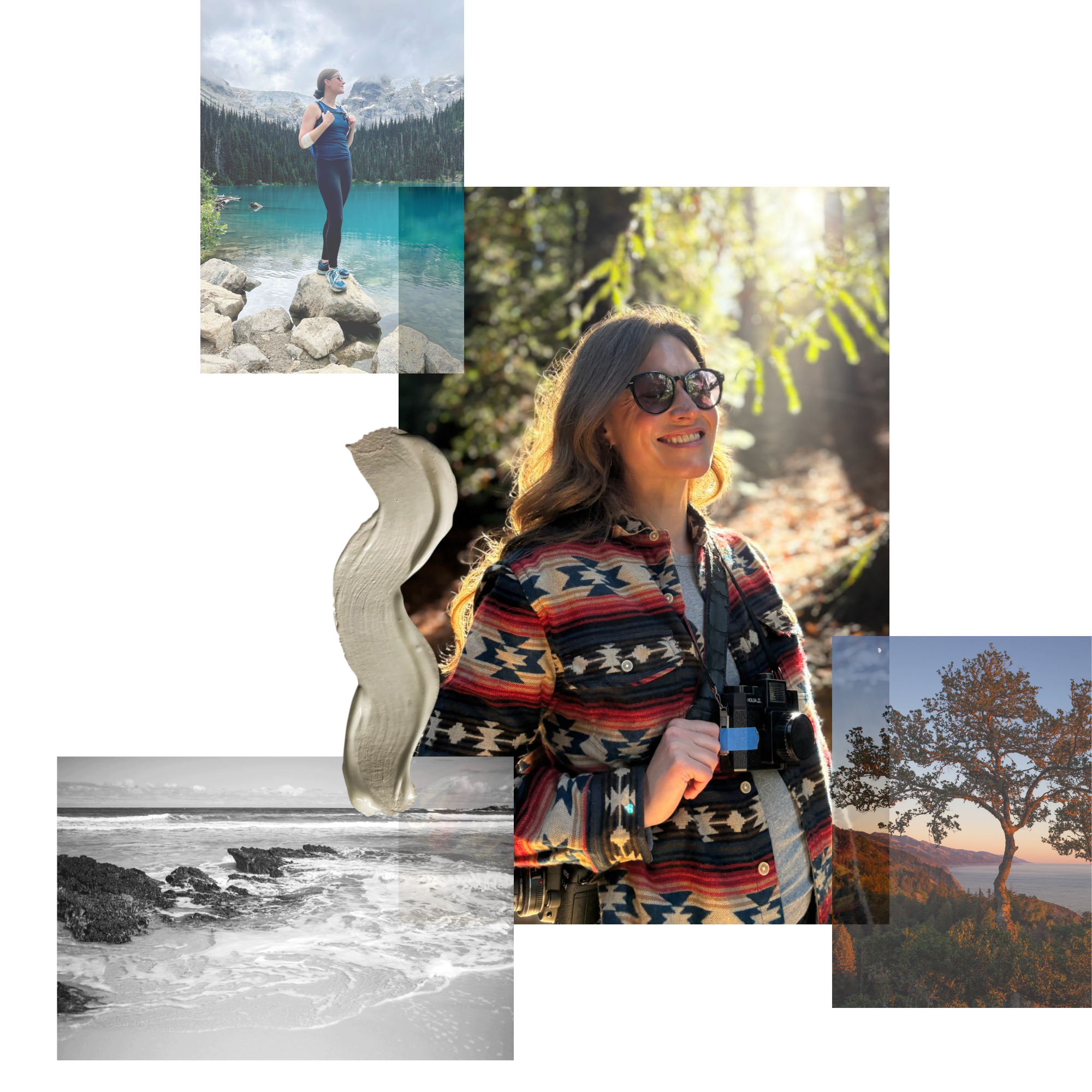
Before my career as a therapist, I was a photographer. Being creative is still very important to me, and now I get to do it on my own terms. I love getting lost in a book — my favorite is The Hobbit. I love it so much I celebrate Hobbit Day every year! I love the little things, like my first sip of coffee each morning and the way light illuminates leaves. I rarely get them, but gosh, do I love slow mornings. I am curious about a lot of things and love to learn. I often daydream about travel and have become a points and miles guru to fulfill that longing. I wish I were a gardener, yet that's just not in my wheelhouse.
I also know what it's like to be in your shoes. It's not easy to reach out for help, and it takes immense courage. I know that, and I see you — which is why I feel such great honor when people do. I may not be the right person for you, yet we won't know until we try. I'd love to hear from you!